Introduction
A few years ago, a small business in Accra competing with a big brand meant losing on budget, staff and reach. AI has quietly changed that. Today, a one-person business can write like a content team, design like a studio, and analyze data like an analyst — using tools that cost little or nothing.
The challenge isn’t a shortage of AI tools; it’s knowing which ones actually matter. This guide cuts through the noise with 15 of the best AI marketing tools for 2026, organized by what they do, so you can build a stack that fits your business and your budget.
Why AI marketing tools matter for your business
The productivity gains are real, not hype. Marketers report that AI tools save meaningful time each week, and industry research has found generative AI can lift marketing productivity by 5–15% of total marketing spend. HubSpot’s own reporting notes that around two-thirds of marketers say AI has increased their productivity, often saving 10+ hours a week.
For a lean Ghanaian SME, that’s transformative. AI handles the repetitive heavy lifting — drafting, designing, sorting data — so you can focus on strategy, relationships and serving customers. The smart approach in 2026 isn’t using every tool; it’s using the right few where they create the most leverage.
The 15 best AI marketing tools for 2026
Content & writing
- ChatGPT — The versatile workhorse for brainstorming, drafting, rewriting and research. A free tier exists; paid plans add power and speed. Best starting point for almost any marketer.
- Claude — Excellent for long-form, on-brand writing — blog posts, emails and content that ships under your name. Many marketers pair it with ChatGPT (one for ideation, one for polished writing).
- Jasper — Purpose-built for marketing teams, with brand-voice features and campaign workflows. Worth it for businesses publishing lots of content who need brand consistency.
- Grammarly — AI-powered editing that keeps your writing clear, correct and professional. A free version covers the basics well.
Design & visuals
- Canva (Magic Studio) — Far more than a design app now. Its AI features generate social graphics, presentations and short videos from simple prompts — ideal for businesses without a designer.
- Adobe Firefly / Photoshop AI — For more advanced image editing: removing objects, extending backgrounds and generating variations quickly.
- Midjourney — Generates striking, original visuals from text prompts when you need custom imagery that doesn’t look like stock photos.
Video & audio
- Runway — AI video editing and generation, useful for short-form social content and ad concepts.
- ElevenLabs — Natural-sounding AI voiceovers for videos, ads and audio content in multiple styles.
SEO & search visibility
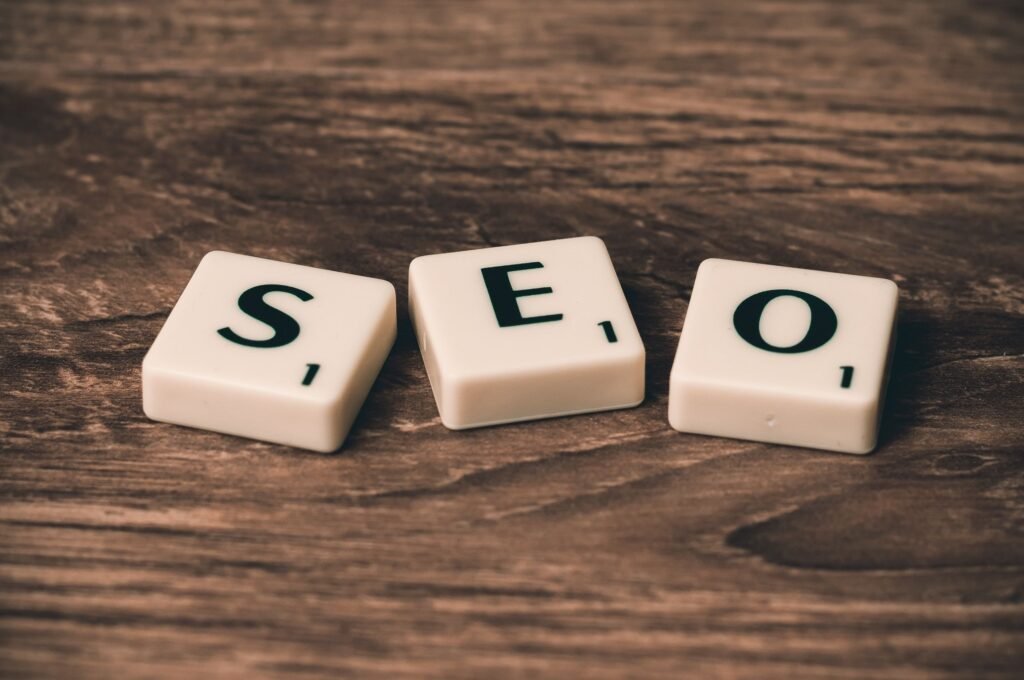
- Semrush — A leading SEO platform with AI features for keyword research, content optimization and competitor analysis. Increasingly important for both Google and AI search visibility.
- Surfer SEO — Helps you optimize content to rank, with data-driven guidance on what to include.
Email & automation
- HubSpot — A CRM with AI woven throughout — email drafting, content help, lead scoring and automation. Powerful when you want your whole funnel in one place.
- Mailchimp — Beginner-friendly email marketing with AI for content, send-time optimization and segmentation.
Social media & ads
- Buffer — Simple, affordable AI-assisted scheduling and content suggestions across social platforms. A free plan makes it great for SMEs.
- Meta Advantage+ / Google AI tools — The built-in AI inside Meta Ads and Google Ads now handles much of the targeting, bidding and optimization automatically — meaning even small advertisers benefit from advanced AI without being experts.
How to choose the right AI tools (without wasting money)
The biggest mistake businesses make is stacking too many tools. The experts agree: most teams thrive with just two to four well-chosen tools, not a dozen. Use this approach:
- Start with the free tiers. ChatGPT, Canva, Buffer and Grammarly all offer genuinely useful free plans — a complete starter stack at zero cost.
- Add tools to fix a specific bottleneck. If content is your constraint, add Jasper. If SEO matters, add Semrush or Surfer. If email is key, add Mailchimp or HubSpot.
- Don’t pay for power you won’t use. Enterprise tools are overkill for a 1–3 person team.
- Keep a human in charge. AI drafts and suggests; you provide strategy, judgement and the local context that makes content land in Ghana.
A practical starter stack for a Ghanaian SME
A realistic, affordable setup for a small business might be:
- ChatGPT or Claude (free or ~$20/month) — writing and ideas
- Canva (free or Pro) — visuals and social graphics
- Buffer (free) — scheduling posts
- Grammarly (free) — clean writing
- Meta/Google built-in AI — running ads efficiently
That covers content, design, distribution and advertising — much of what a small marketing team used to handle — for a fraction of the old cost.
A real-world example
Nana, who runs a catering business in Accra, used to spend evenings struggling with captions and graphics. She now uses ChatGPT to draft posts and menu descriptions, Canva to design them in minutes, and Buffer to schedule a week of content in one sitting. What once took hours now takes a fraction of the time — freeing her to focus on cooking and clients. She didn’t replace herself with AI; she gave herself a team.

Key takeaways
- AI tools level the playing field, letting small Ghanaian businesses compete with bigger brands.
- The best stack is focused (2–4 tools), not crowded.
- Start free — ChatGPT, Canva, Buffer and Grammarly form a powerful no-cost foundation.
- Add tools to solve specific bottlenecks, and always keep human strategy and local context in charge.
Frequently Asked Questions
Are AI marketing tools expensive?
Many of the best offer free plans that are genuinely useful. You can build a capable starter stack for little to nothing and only upgrade when a tool clearly saves you more time than it costs.
Can AI tools replace a marketing agency?
AI can handle much of the production — drafting, design, basic analysis — but not strategy, creative direction or local market judgement. Many businesses use AI for execution and a partner for strategy.
Which AI tool should I start with?
ChatGPT (or Claude) plus Canva is the most common, versatile starting point. Add others as specific needs arise.
Will AI-written content hurt my SEO?
Not if it’s genuinely helpful, accurate and original. Search engines reward quality and expertise, so always review, fact-check and add your own insight and local context.
Conclusion
AI marketing tools are no longer optional extras — they’re how lean businesses get more done with less. For Ghanaian SMEs, they’re a genuine equalizer, putting capabilities once reserved for big budgets within reach of anyone willing to learn.
Start small, choose tools that solve your real problems, and let AI handle the busywork so you can focus on what only you can do: understand your customers and grow your business.
At Pemia Digital, we help businesses choose and set up the right AI tools — and build the strategy that makes them pay off. Reach out for a free consultation and let’s design an AI-powered marketing stack that fits your goals.
